
Ethereum’s co-founder isn’t staying quiet. On February 3rd, Vitalik Buterin took to X with a bold statement, the original vision for Ethereum layer-2 scaling is broken. He argued it needs a complete rethink.
His core concern? Two major weak points inside many L2 networks today.
First, centralized sequencers. These are the entities that order transactions on L2s. When one party controls that process, it’s a single point of failure. Second, trusted bridging mechanisms. Bridges connect L2s back to Ethereum mainnet. If they rely on trust rather than cryptographic proof, users face real risk.
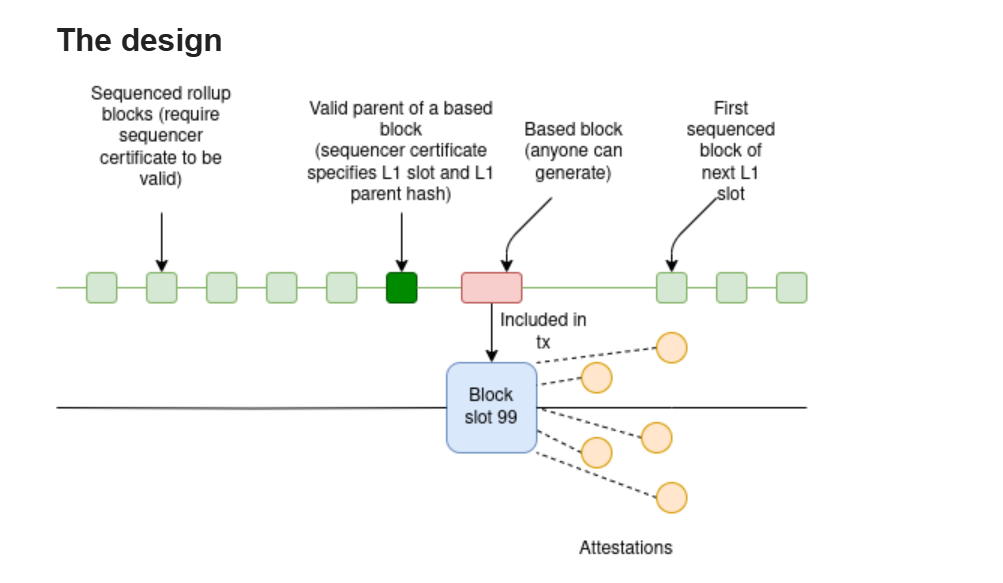
Vitalik’s verdict was clear: “The original vision of L2s and their role in Ethereum no longer makes sense.”
Ethereum Layer-2 Scaling Builders Push Back
Unsurprisingly, L2 founders had opinions. The reaction was split and that divide is telling.
Karl Floersch, co-founder of Optimism, took a humble stance. He agreed that L2s must evolve beyond simple scaling. Technical limitations still exist, and the ecosystem must grow past them. Floersch signaled openness to change.
Steven Goldfeder, co-founder of Offchain Labs — the team behind Arbitrum — pushed back harder. He defended scaling as a core function. His argument? Rollups still process far more transactions than Ethereum mainnet itself. That throughput advantage still matters.
Both perspectives have merit. But the tension reveals something important the L2 narrative is shifting fast.
What This Means for the Ecosystem
This debate isn’t just theoretical. Billions of dollars flow through L2 networks daily. Any structural redesign affects DeFi protocols, NFT platforms, and everyday users alike.
Furthermore, centralization concerns could attract regulatory scrutiny. If sequencers act like gatekeepers, regulators may treat them like financial intermediaries.
The pressure is on. L2 teams must now prove they can deliver trustless, decentralized infrastructure not just fast and cheap transactions.
⚡ Key Takeaways
- Vitalik says the original L2 vision needs a full redesign
- Centralized sequencers and trusted bridges are flagged as major risks
- Optimism’s Floersch agrees L2s must evolve beyond basic scaling
- Arbitrum’s Goldfeder defends rollups — they still outperform Ethereum on throughput
- The
Ethereum layer-2 scalingdebate signals a pivotal moment for the entire ecosystem
💬 My Thoughts
Vitalik calling out L2 design flaws publicly is a big deal. It puts pressure on every rollup team to accelerate decentralization. Short-term, this may shake confidence in some L2 tokens. Long-term, however, this kind of honest critique is exactly what pushes the technology forward. Watch for governance proposals and technical upgrades from major L2s in the coming months, this conversation is just getting started.