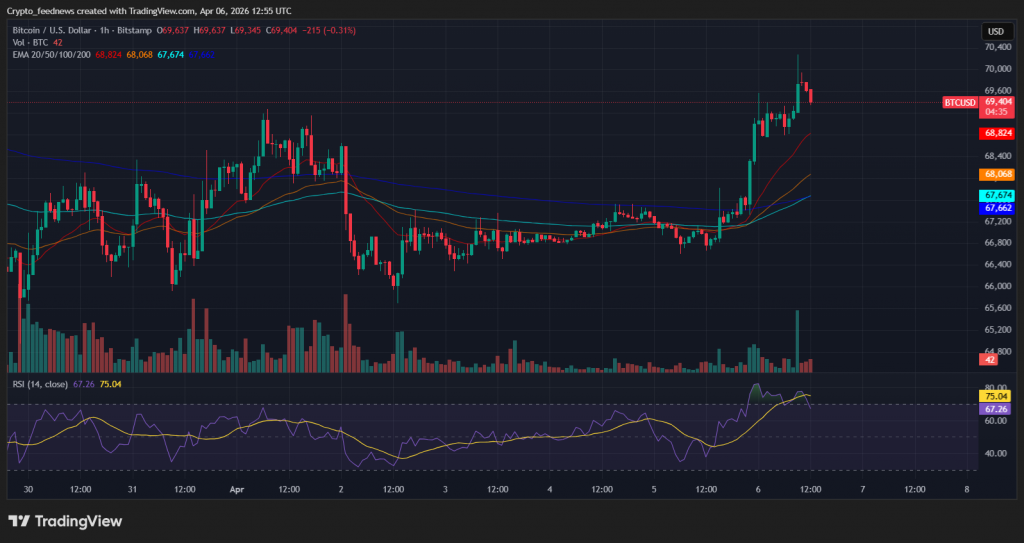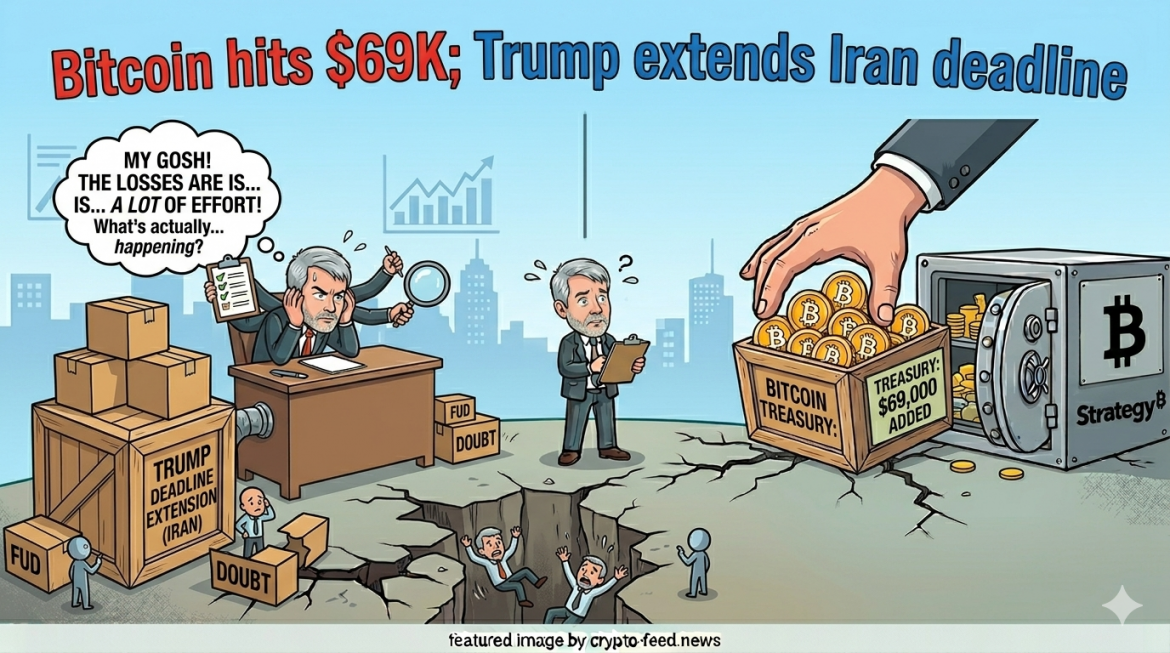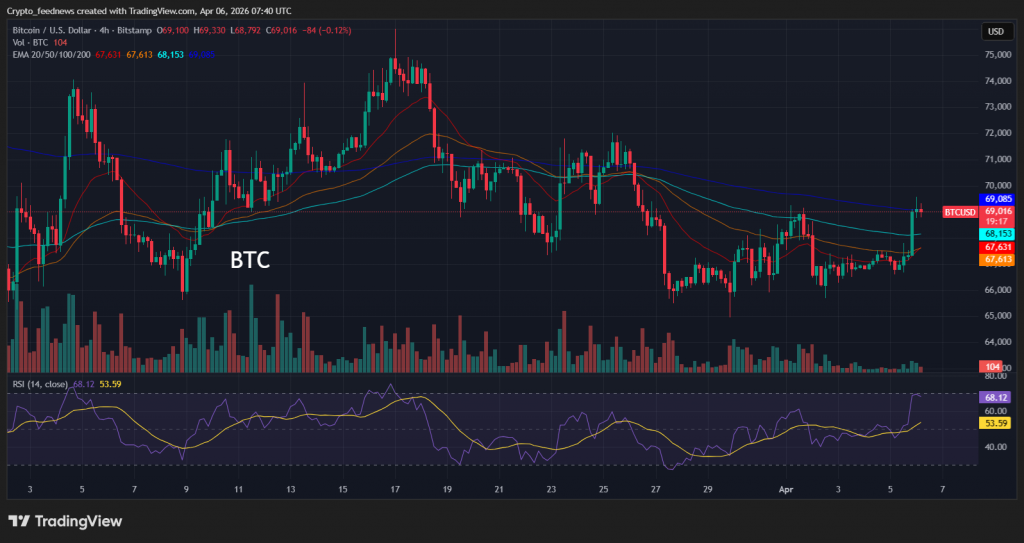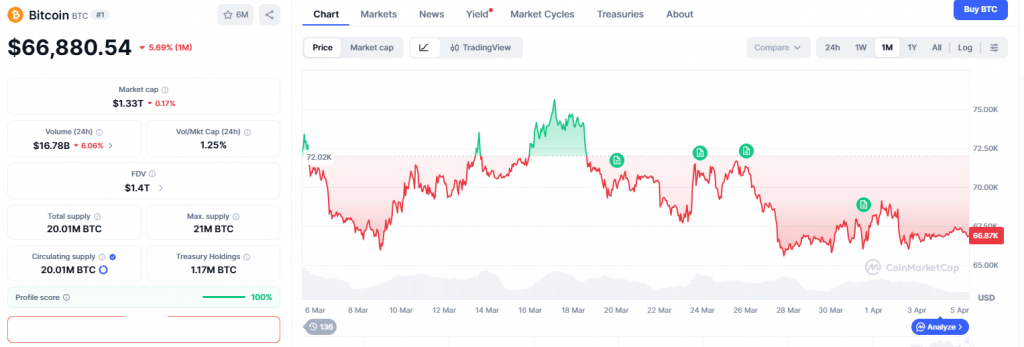


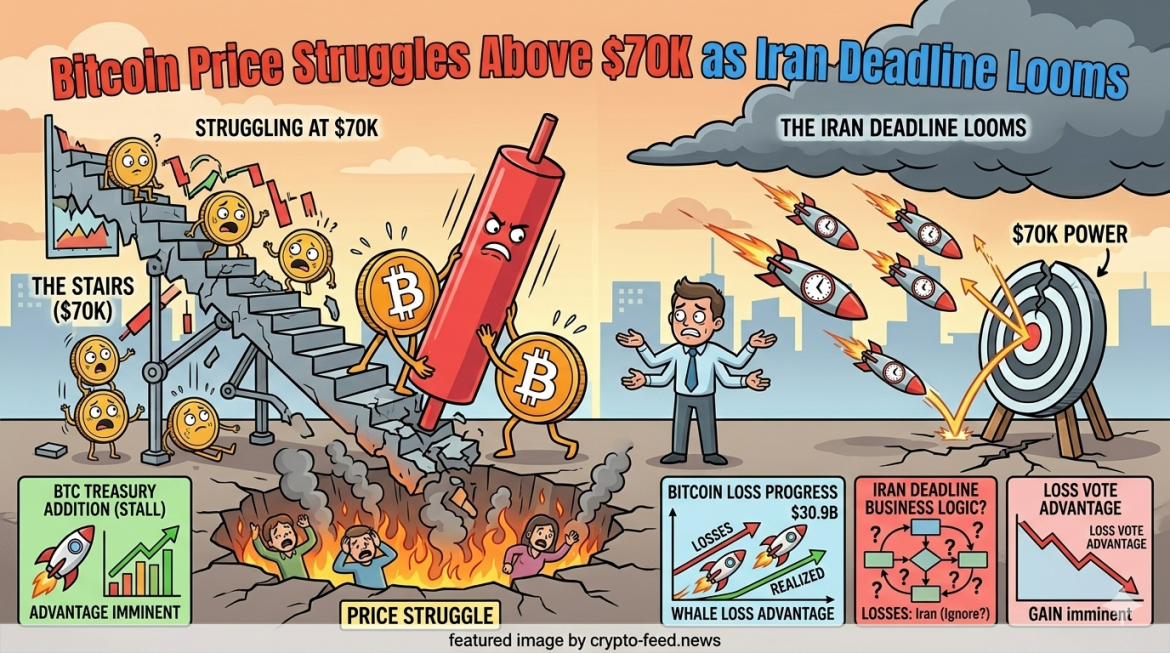
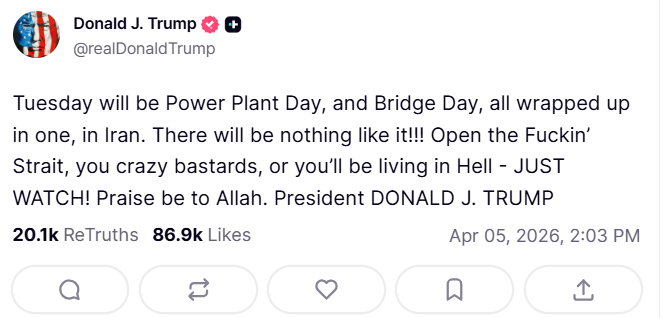
Bitcoin price struggles above $70K as traders wait for clarity from US‑Iran negotiations. Earlier this week, BTC briefly touched $70,200 on reports of a possible temporary ceasefire. But now, price action has turned hesitant. The reason? President Trump set a firm deadline: 8 pm Eastern time on Tuesday. Either Iran complies, or “worse things” are coming.
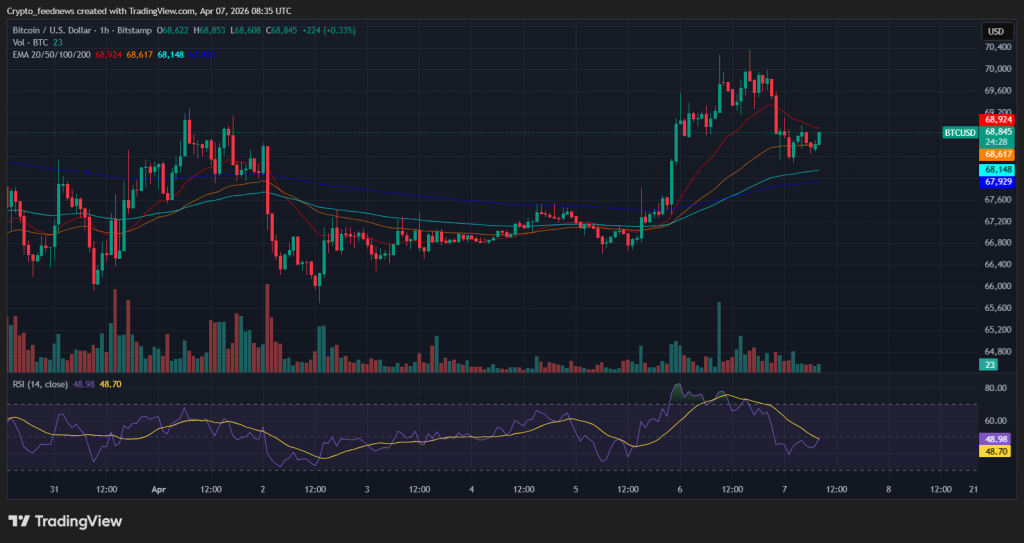
Why Bitcoin Price Struggles Above $70K: Two Scenarios
Behind the scenes, regional intermediaries are shaping a framework that could pause hostilities for several days. The goal? Reopen the Strait of Hormuz. But Iranian officials haven’t accepted the terms. They insist shipping routes stay restricted until compensation and sanctions relief are addressed.
So, two paths:
- Ceasefire deal → risk‑on rally. Bitcoin could target $75,000.
- No deal → uncertainty spike. Bitcoin may act as a digital safe haven.
Trump reinforced his warning: “I won’t go further because there are other things that are worse.” Markets are on edge.
Institutions Keep Stacking Despite the Hesitation
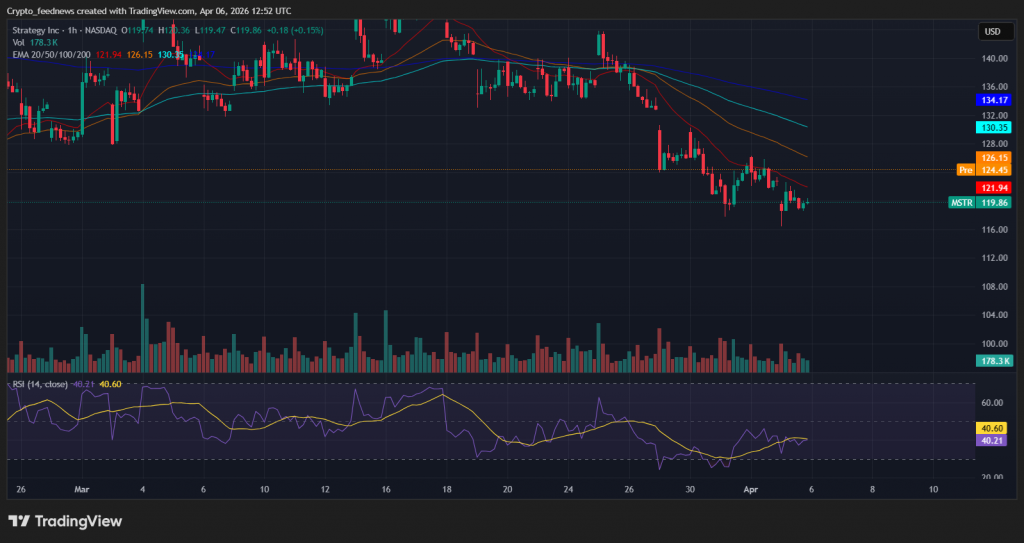
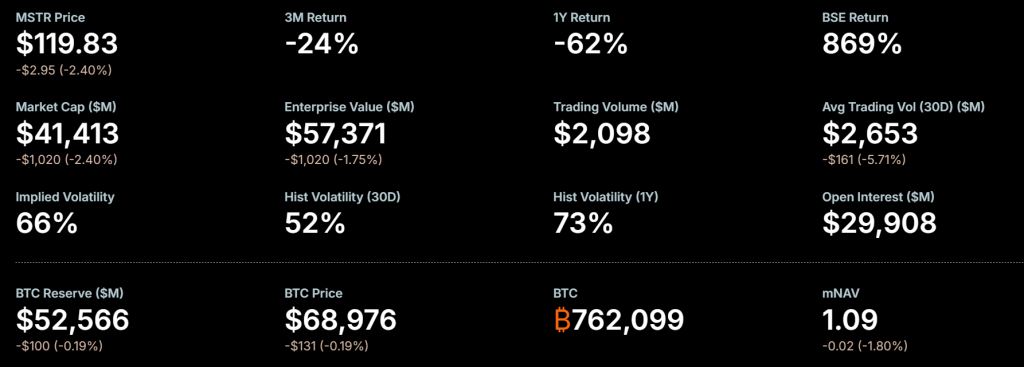
Underneath the surface, demand is rock solid. Strategy (formerly MicroStrategy) has accumulated 46,233 BTC since early March. In that same period, miners produced only about 16,200 BTC. That means Strategy bought nearly three times the fresh supply. Spot Bitcoin ETF inflows have also turned positive with $471 million coming mainly from Blackrock, Fidelity and ARK invest
.
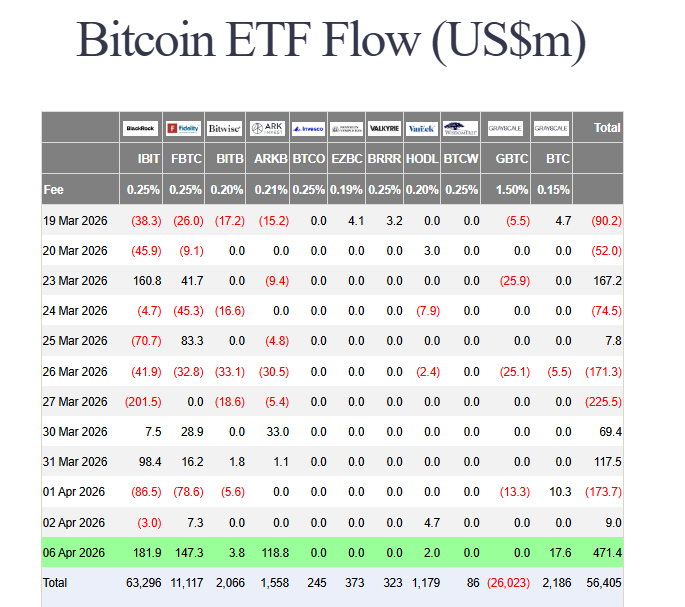
These conditions have limited pullbacks. However, rising bond yields are a competing force. The 5‑year Treasury yield climbed to ~4% from 3.55%. Investors can now get decent returns from government debt. Elevated oil prices and war spending fuel inflation concerns, which influence bonds.
For now, Bitcoin price struggles above $70K caught between steady accumulation and macro headwinds. The next big move hinges entirely on Trump’s 8 pm ET announcement.
My Thoughts
The market is coiling like a spring. Everyone knows the Iran deadline is hours away. A ceasefire would unleash risk appetite across equities and crypto – $75K is realistic within days. But if Trump follows through on “worse things,” we could see a sharp spike in oil, a dollar rally, and a temporary Bitcoin dip. However, note the accumulation: Strategy and ETF buyers are absorbing supply like crazy. That floor is thick. I’m leaning toward a relief rally if any positive signal emerges. Watch the 8 pm ET news like a hawk. Volatility is coming.