

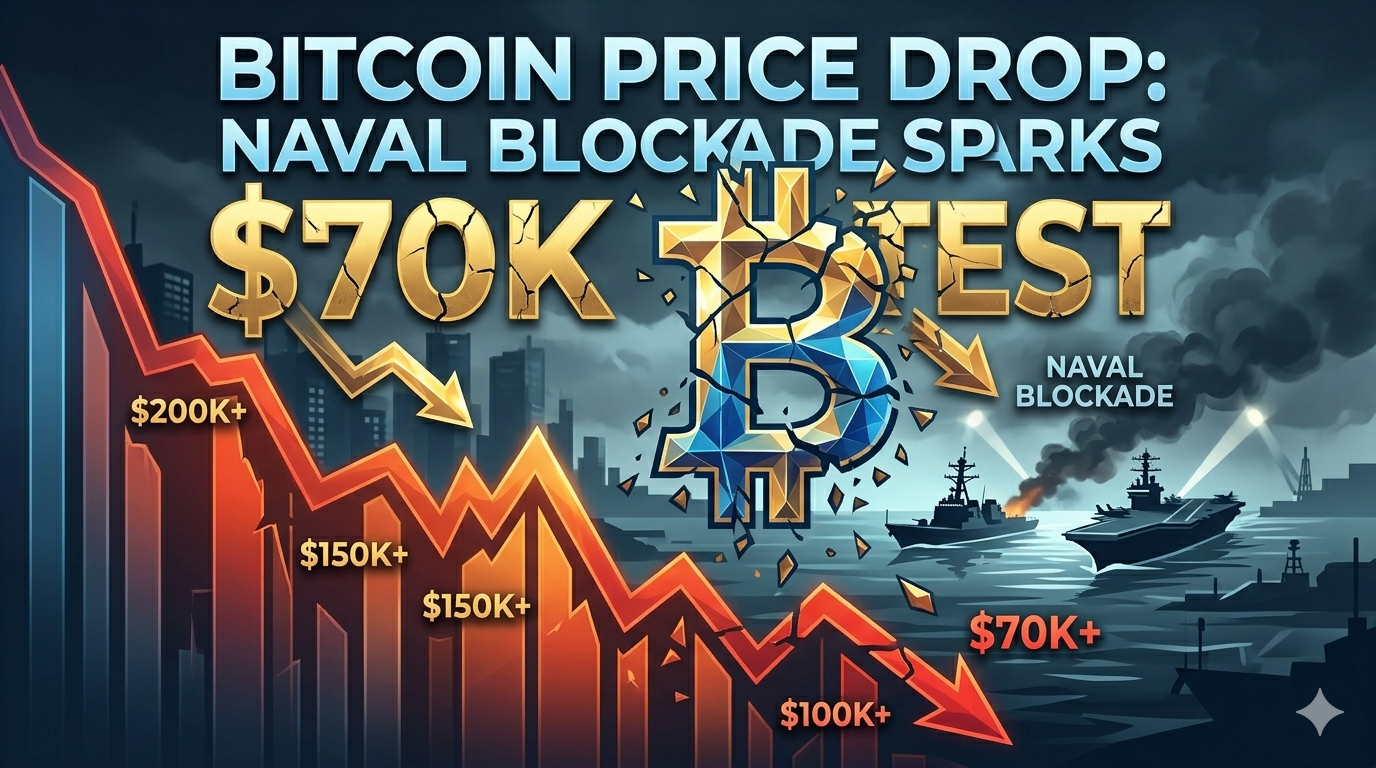
A Bitcoin price drop naval blockade scenario just played out. BTC tumbled to a session low of $70,617 after President Trump announced an immediate naval blockade in the Strait of Hormuz. The move follows failed US‑Iran negotiations in Islamabad. Despite Pakistan’s efforts, the talks broke down over Iran’s refusal to dismantle its nuclear program.
Trump made it clear: the nuclear issue was the only point that “really mattered.” Iran, meanwhile, demanded war reparations, frozen asset releases, and even transit tolls paid in Bitcoin. Trump rejected those terms as “world extortion.” Consequently, he authorized the US Navy to intercept any vessels paying such tolls and destroy mines in the shipping lanes.
Why the Bitcoin Price Drop Naval Blockade Matters
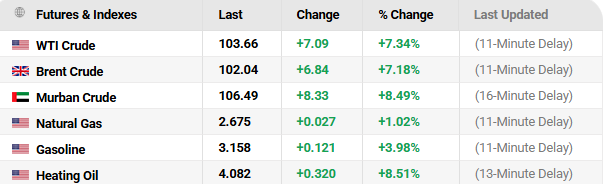
Oil markets reacted instantly. Crude surged nearly 10% to $105 per barrel. That spike triggered a flight from risk assets. Bitcoin dropped alongside stocks, as traders moved to safety. The Strait of Hormuz handles roughly 20% of global oil trade, so any disruption is a big deal.
Adding fuel to the fire, reports suggest Iran has been using naval mines to intimidate commercial ships. Some transit toll demands were allegedly requested in Bitcoin. That’s a bizarre twist, but it hasn’t helped BTC’s price.
Support Levels Under Threat
Bitcoin has since recovered slightly to trade above $71,000. But the damage is done. The $70,000 level is now a critical psychological floor. If BTC fails to hold above $68,000, analysts warn of a deeper correction toward the $62,000 range.
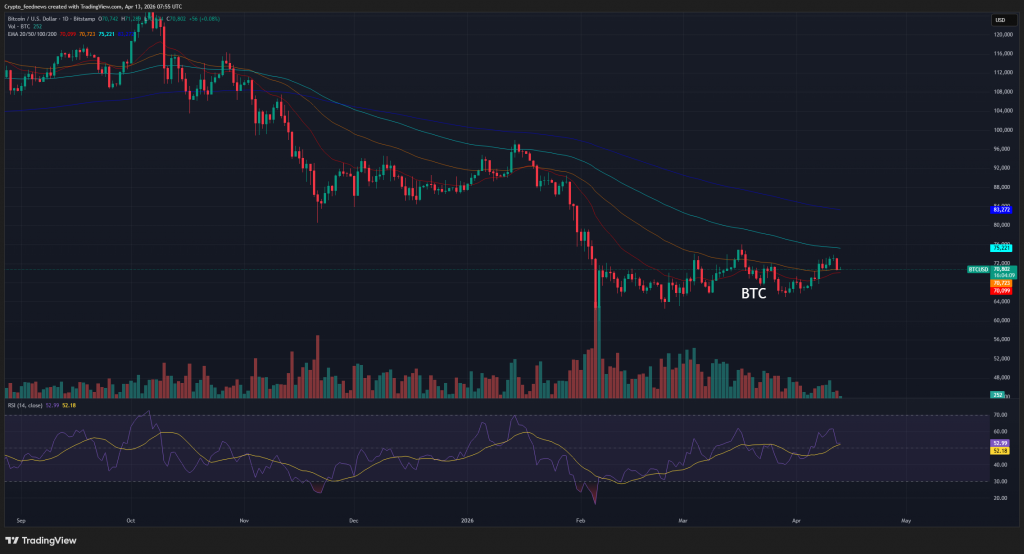
For now, volatility remains the only certainty. Traders are watching the Strait closely. Any escalation could send Bitcoin re-testing the lows.
My Thoughts
This is a classic “sell first, ask questions later” reaction. The naval blockade is a significant escalation. Oil at $105 will hurt consumer sentiment and keep inflation fears alive. For Bitcoin, the $70K level is being tested like never before. If it breaks, expect cascading liquidations. That said, the Iran Bitcoin toll demand is fascinating. If other nations adopt similar crypto payments to bypass sanctions, it could eventually drive adoption. But right now, the macro fear dominates. Stay nimble. Keep stop‑losses tight.