

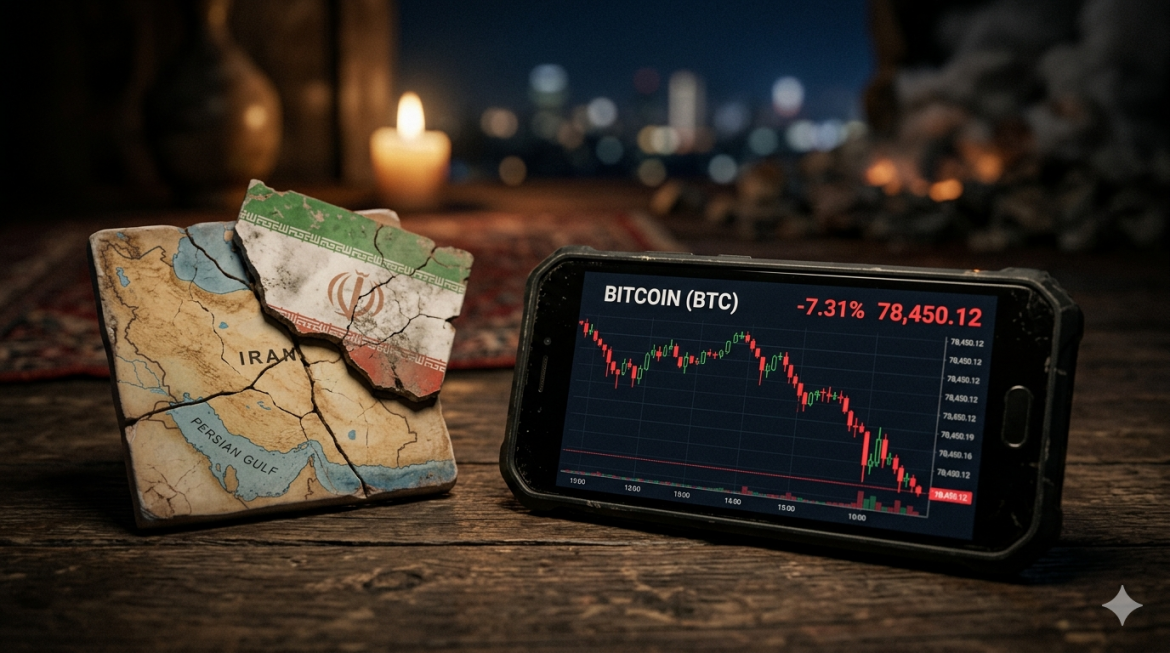
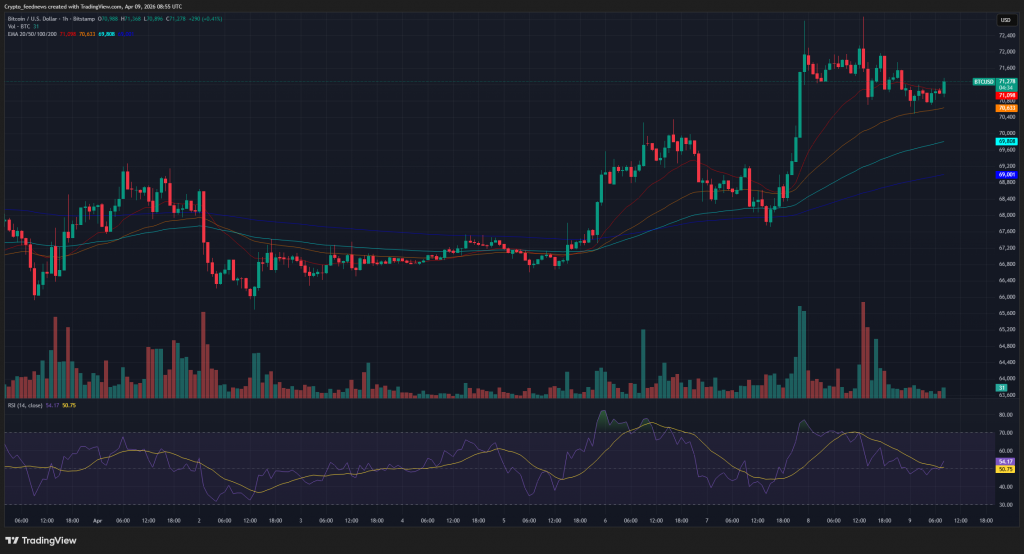
The relief rally fizzled fast. After surging above $72,700 on ceasefire hopes, Bitcoin now hovers near $71,000, down nearly 1% in the past 24 hours. What changed? The so-called “truce” is turning out to be far more fragile Iran Truce than markets initially priced in. With geopolitical cracks widening and macro uncertainty creeping back, traders are once again on edge.
The Fragile Iran Truce Is Already Under Pressure
Just hours after the US and Iran announced a two-week ceasefire, US Vice President JD Vance publicly described the agreement as a “fragile truce”. That cautious language proved prescient. On the ground, Israel launched “Operation Eternal Darkness” — a massive air campaign targeting Hezbollah infrastructure in Lebanon, killing at least 87 people and wounding over 700. Israeli officials insist these strikes fall outside the scope of the Iran ceasefire, citing strategic independence. Meanwhile, Iran’s parliamentary speaker accused Washington of violating “the spirit of the roadmap,” warning that Tehran could resume strikes if attacks on its allies continue.
For crypto markets, this means the geopolitical risk premium is creeping back in. The initial 6% surge in Bitcoin was almost entirely driven by macro headlines, with BTC showing a tight correlation to S&P 500 futures. As those headlines turn sour, so does the price action.
$150M in Longs Wiped Out — Bulls Are Getting Rekt
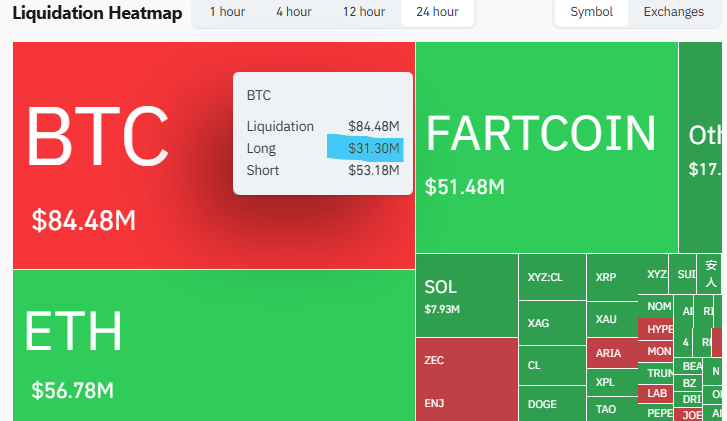
The euphoria was short-lived and expensive. Near the $72,000 level, a wave of long liquidations hit the derivatives market, wiping out over $31 million in bullish positions. This confirms that conviction remains weak at higher levels. Bears are lurking, ready to pounce on any sign of weakness. The market structure now suggests a potential retest of the $64,000 support zone if Bitcoin fails to hold above $70,000.
The Fed Adds to the Macro Headwind
As if geopolitics weren’t enough, the Federal Reserve just released minutes from its March 17–18 meeting. The headline takeaway: officials voted 11–1 to keep rates unchanged at 3.5% to 3.75% and remain cautious about future cuts. Policymakers signaled that any easing depends on inflation staying contained — a tall order with energy prices still elevated. The market is now pricing in fewer rate cuts for 2026, which typically dampens demand for risk assets like crypto.
The Bullish Wildcard: Iran Accepting Bitcoin for Oil Tolls
Amid all the bearish noise, there’s a fascinating development that could change the game. According to multiple reports, the Iranian Revolutionary Guard Corps (IRGC) is now charging transit fees for ships passing through the Strait of Hormuz — with the option to pay in Bitcoin. The toll is set at $1 per barrel, up to $2 million per very large crude carrier. Iran has formalized a crypto payment system specifically to bypass SWIFT and traditional financial channels. If confirmed, this would create a fundamental source of real-world demand for Bitcoin — a geopolitical adoption narrative that could help decouple BTC from traditional risk-off sentiment.
For now, the fragile Iran truce remains the main character. But beneath the surface, a new chapter of crypto utility is quietly being written. Stay sharp. Stay nimble.
My Thoughts
This is a classic “buy the rumor, sell the news” setup — but with a twist. The rumor was peace. The news is a fragile truce that’s already cracking. The market’s reaction makes sense: derisk first, ask questions later. That said, the Iran Bitcoin toll development is genuinely groundbreaking. If Tehran continues to enforce crypto payments for one of the world’s most strategic chokepoints, it creates a recurring, non-speculative demand pool for Bitcoin. That could provide a fundamental price floor even if macro sentiment worsens. For now, watch $70,000 closely. A daily close below that level opens the door to $64,000. But any confirmation of the Bitcoin toll system could spark a swift reversal.