

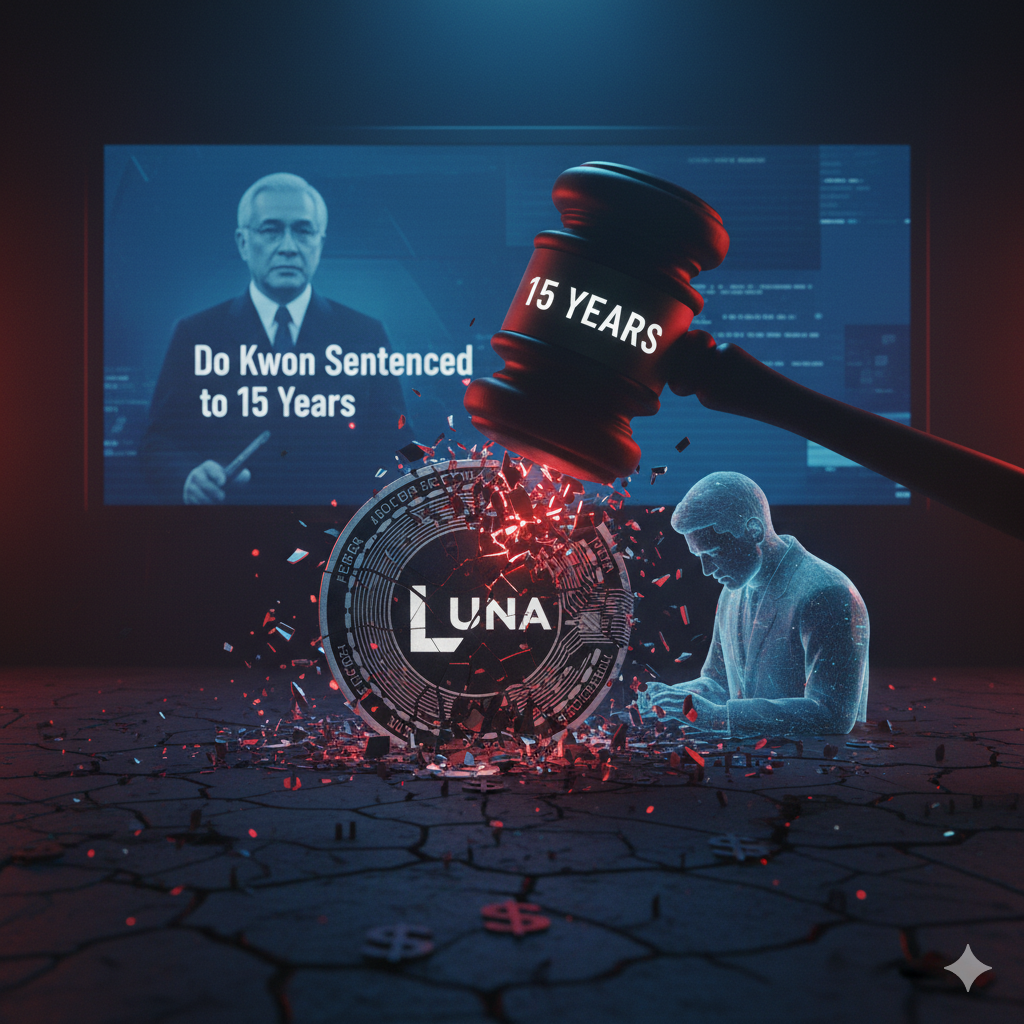
Do Kwon Sentenced: 15-Year Prison Term Brings Closure to $40B Terra Saga
A defining chapter in crypto’s history has closed. Do Kwon sentenced to 15 years in a U.S. federal prison marks the dramatic conclusion to the legal fallout from the $40 billion collapse of the Terra/Luna ecosystem. The sentence, delivered by Judge Paul Engelmayer, who called the fraud “epic” and “generational,” sends an unambiguous message about accountability in the digital asset space while providing a stark contrast to other high-profile crypto cases.
The Sentence: A Guilty Plea Mitigates, But Doesn’t Absolve
The 15-year term exceeded the prosecution’s 12-year recommendation but fell short of the 25-year sentence given to FTX’s Sam Bankman-Fried. The key difference? Do Kwon sentenced after a guilty plea to fraud and conspiracy charges. This admission of wrongdoing likely served as a critical mitigating factor, demonstrating to the court a level of cooperation and acceptance of responsibility that SBF’s defense did not. However, Judge Engelmayer made it clear this was the minimum acceptable punishment for a crime of such monumental scale, noting it devastated retail investors worldwide.
Immediate Market Fallout: LUNC and LUNA Tumble
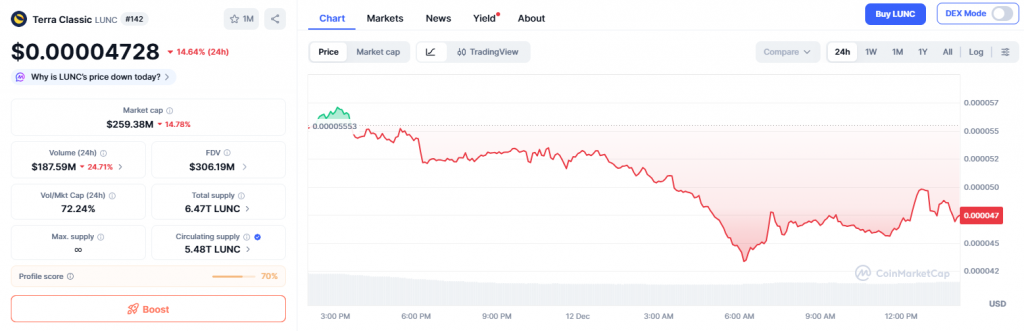
The market reacted with renewed selling pressure on the ecosystem’s remnants. Terra Classic (LUNC) plummeted nearly 15%, while the newer Terra (LUNA) token kept the same levels. This sell-off illustrates that despite the passage of time, the legal resolution of Kwon’s case remains a powerful sentiment driver for the beleaguered tokens, reminding investors of the catastrophic origin event.
Broader Industry Implications: A Blueprint for Cross-Border Justice
This case sets several critical precedents. First, it demonstrates the increasing effectiveness of international cooperation in prosecuting global crypto fraud. Kwon still faces potential charges in South Korea, highlighting how jurisdictions can work in tandem. For the industry, it underscores that “build fast and break things” has real, severe legal consequences. The sentencing provides a measure of closure for the 2022 contagion period, allowing the market to continue maturing beyond the shadow of its most spectacular failure.
My Thoughts
While this sentence brings justice, it doesn’t restore the lost billions. Its real impact is symbolic and procedural. It shows that the U.S. legal system can and will hold offshore crypto founders accountable, which may deter future reckless behavior. For the market, it’s a painful but necessary reminder of the risks that existed in the unregulated wild west era. As we move forward, the focus must shift to the survivors and builders creating more transparent, compliant, and sustainable models—lessons paid for at an extraordinarily high price.