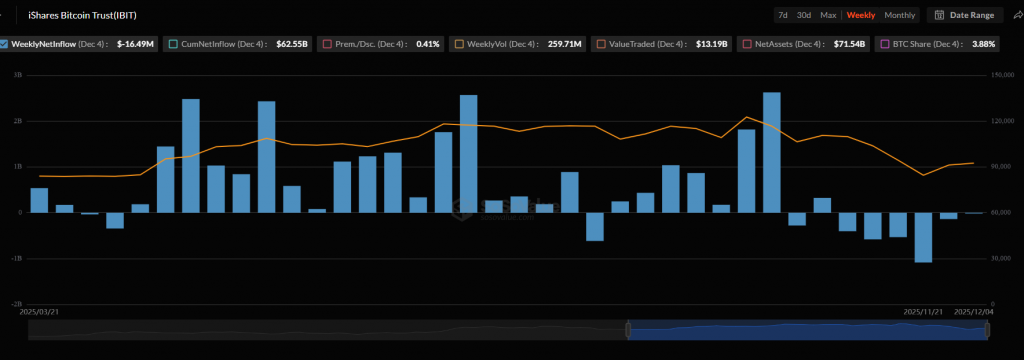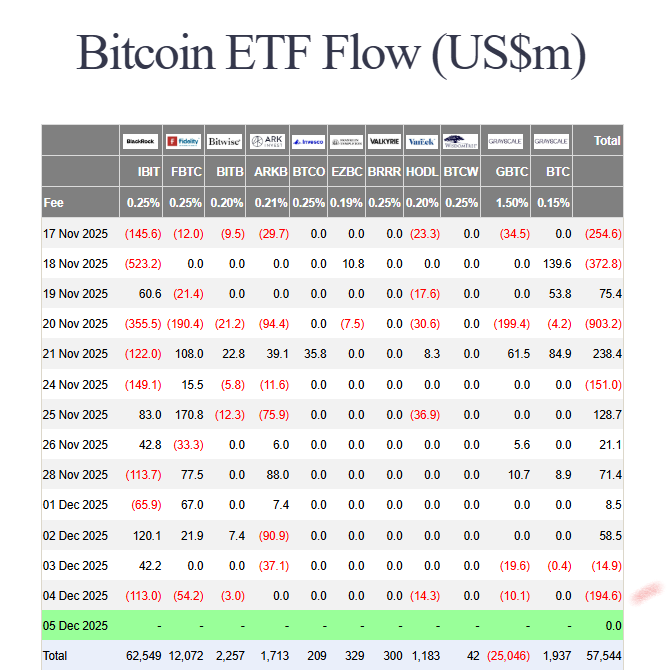


The crypto market is feeling the heat from the Middle East. A Bitcoin price drop below the critical $70,000 level has accelerated selling pressure, with BTC now trading at $67,757—down 1.66% in 24 hours . The decline comes as geopolitical tensions between the U.S. and Iran push oil prices higher and drive investors away from risk assets. With Bitcoin ETFs recording $348.83 million in outflows and analysts flagging bearish technical patterns, the market is bracing for potential further downside .
Analysts Warn of Deeper Bitcoin Price Drop
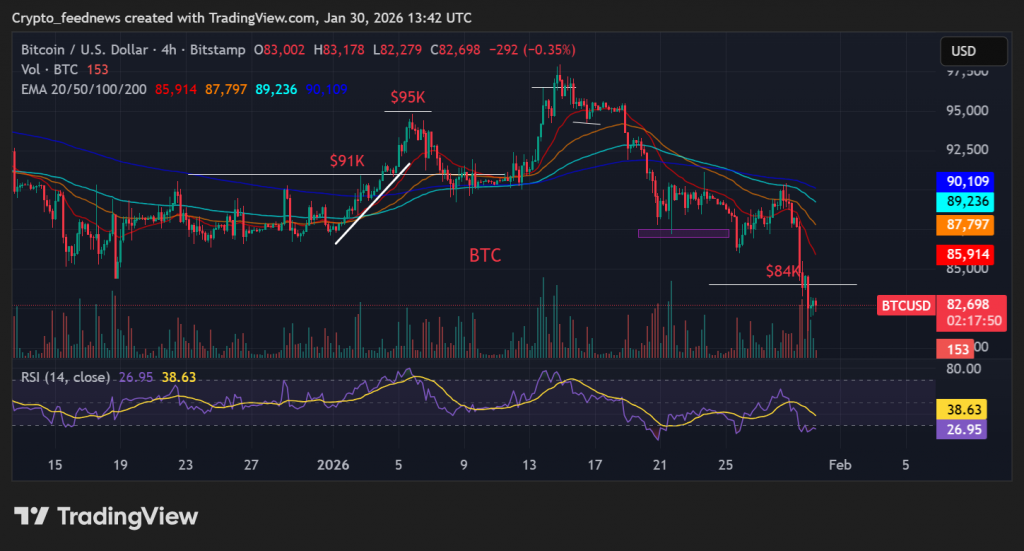
The technical picture is flashing warning signs. Analyst Captain Faibik points to a bearish flag formation on the eight-hour timeframe, warning that a confirmed breakdown could push Bitcoin toward a $55,000 target . He advises waiting for a clear downside breakout before entering short positions.
Ted Pillows offers a more immediate concern: Bitcoin must reclaim the $70,000 level soon or risk revisiting the $65,000 to $66,000 support zone . The macroeconomic pressure is intensifying as oil prices surge amid heightened U.S.-Iran tensions. Historically, energy price spikes that fuel inflation tend to weaken risk-on assets like cryptocurrencies.
Bitcoin ETFs Record $348M Outflows
Institutional demand has cooled sharply. Spot Bitcoin ETFs recorded $348.83 million in net outflows on March 6, marking the largest single-day withdrawal in March . Fidelity’s FBTC led the exodus with $159 million in redemptions, followed by BlackRock’s IBIT at $143.5 million . Notably, no Bitcoin ETF registered net inflows during the session .
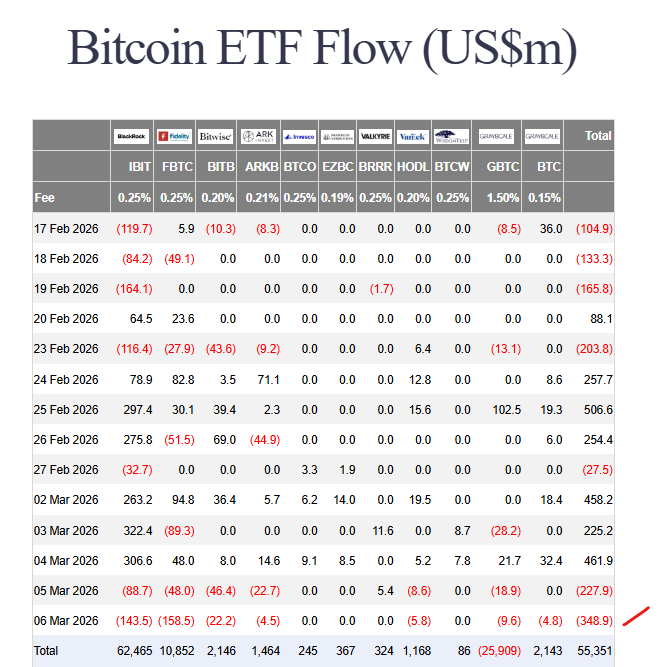
However, analyst Crypto Patel provides crucial context: BlackRock purchased $1.163 billion worth of Bitcoin over the previous ten trading days, accumulating 17,645 BTC . This frames the recent sale as a small pullback relative to aggressive accumulation.
Whale Activity Intensifies Amid Volatility
On-chain data reveals major investors adjusting positions. CryptoQuant analyst Darkfost reports that whale transactions accounted for more than 70% of total exchange inflows over several trading days, with whales defined as transactions exceeding 100 BTC . This suggests large holders are actively managing exposure during heightened volatility.
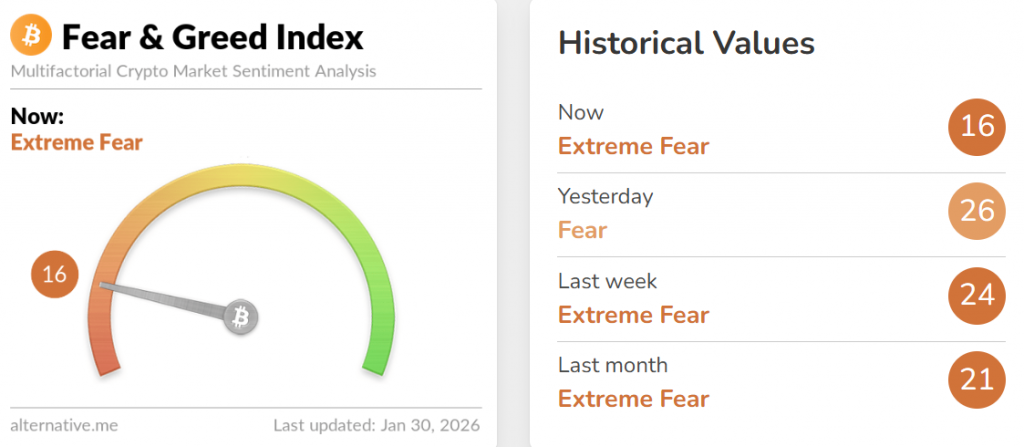
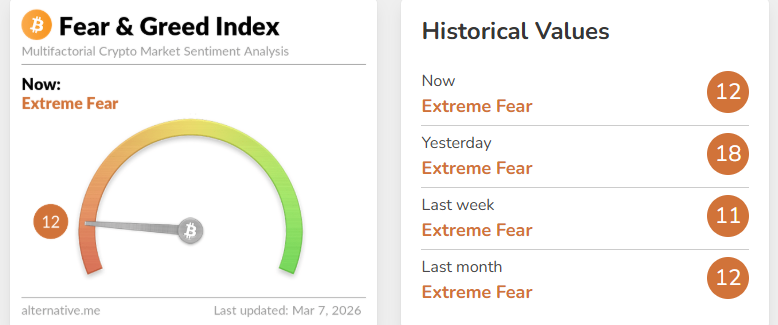
The broader market context is sobering. After adding nearly $250 billion in market cap earlier in the week, approximately $175 billion has since evaporated . The Crypto Fear & Greed Index has plunged to 12—”Extreme Fear” territory and the lowest reading since Q4 2025 .
My Thoughts
This Bitcoin price drop is a textbook geopolitical deleveraging event. The oil-inflation feedback loop is real—every sustained $10 per barrel increase shaves 0.1 percentage points off GDP while pushing gasoline prices higher . For the Fed, this complicates an already difficult rate path.
The technical structure is concerning. A bear flag breakdown toward $55,000 would represent another 20% decline from current levels. However, the institutional context matters: BlackRock’s $1.16 billion accumulation over ten days dwarfs the $143 million outflow . This suggests smart money is buying the dip, not fleeing.
The whale activity is the signal to watch. When large holders account for 70%+ of exchange inflows during volatility, it often precedes stabilization . The market is flushing weak hands while strong hands accumulate.
For traders, the $65,000–$67,000 zone is critical. A weekly close below this range would confirm bearish momentum toward $55,000. A reclaim of $70,000 would invalidate the breakdown and likely trigger short covering. Until then, risk management is paramount.