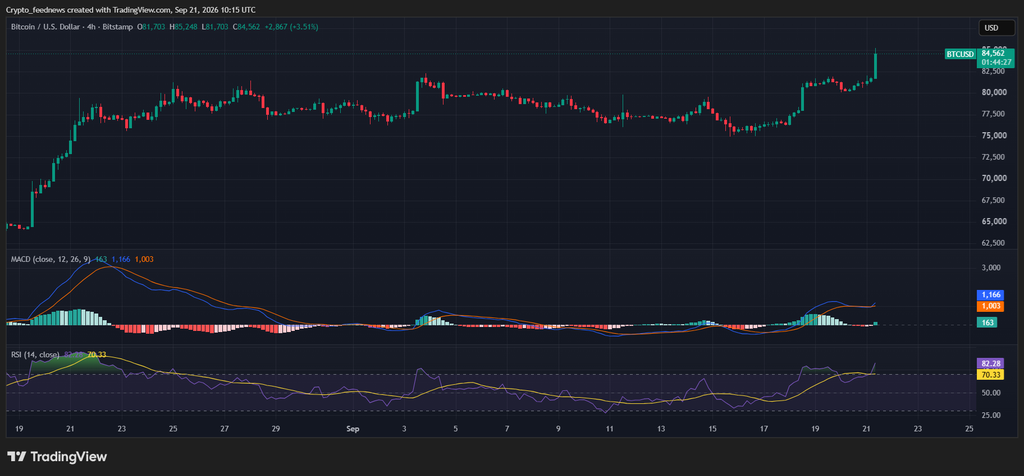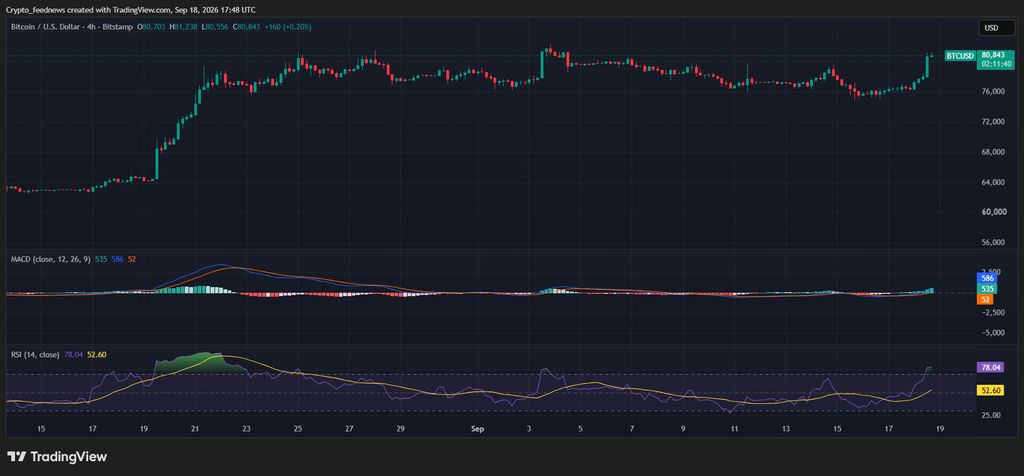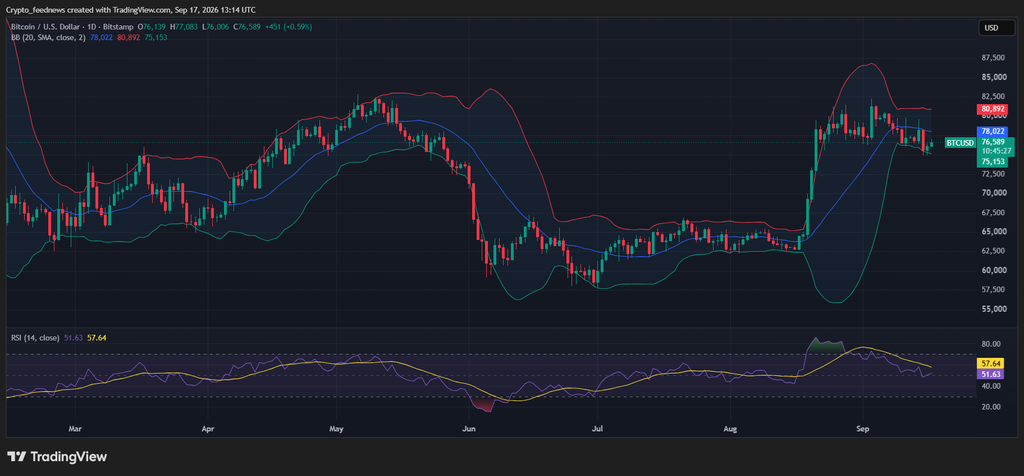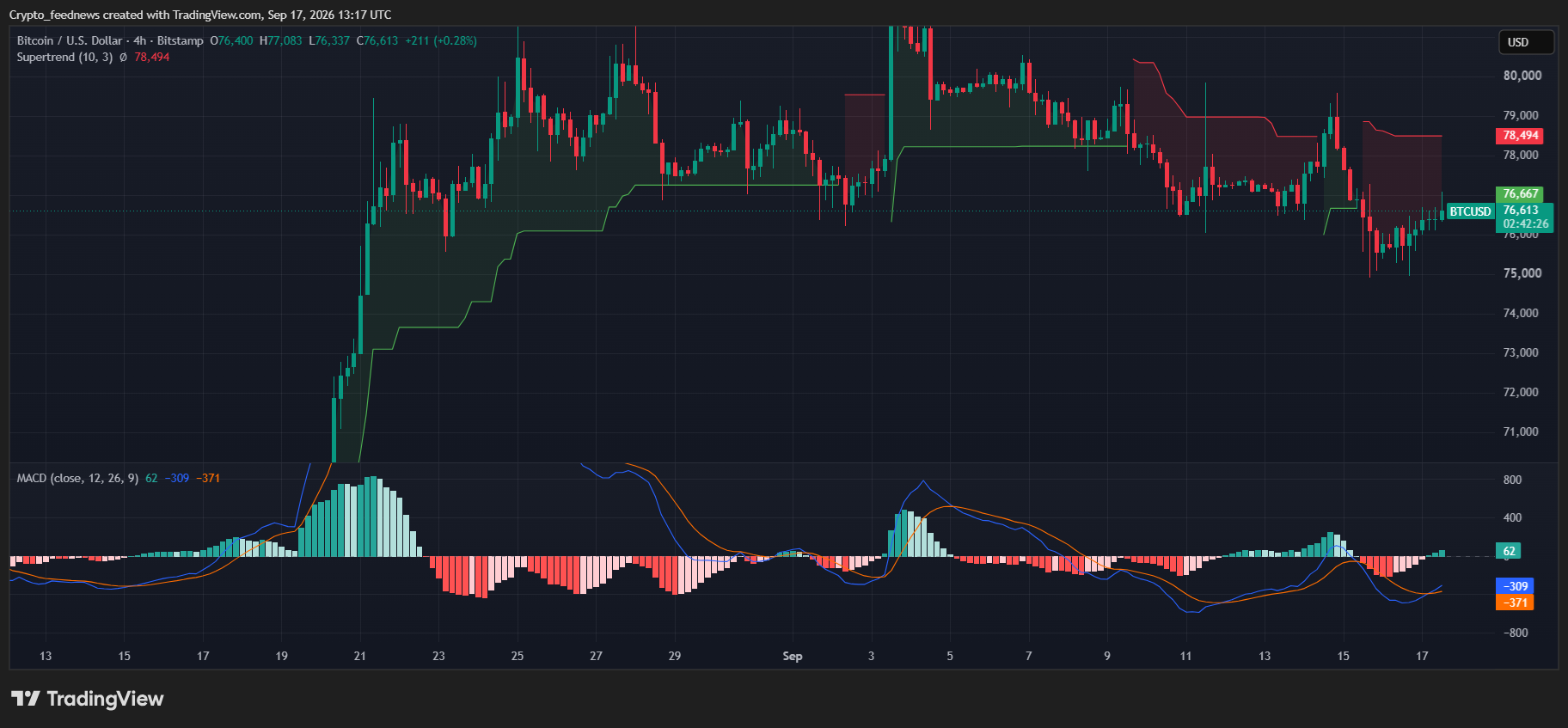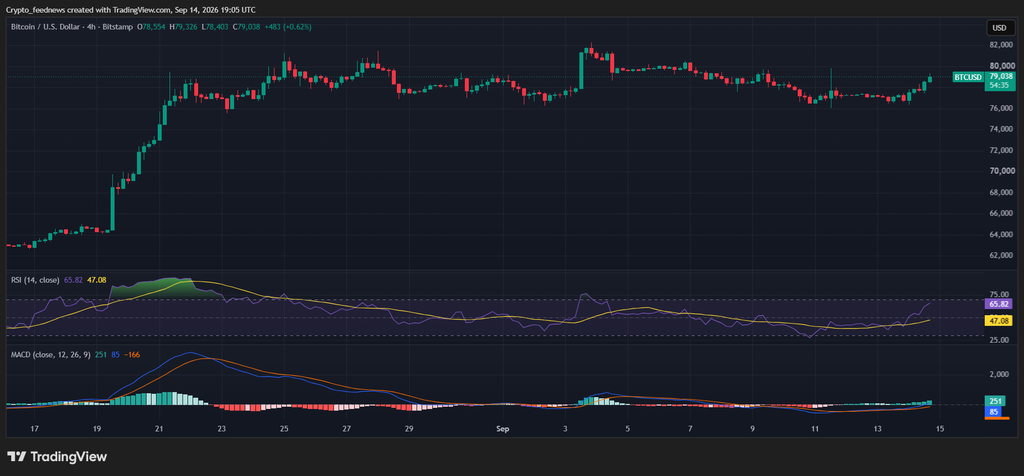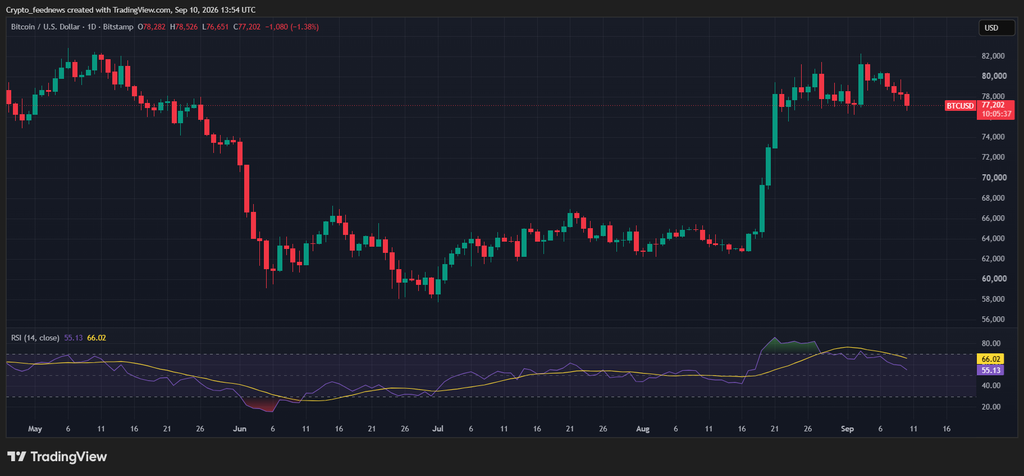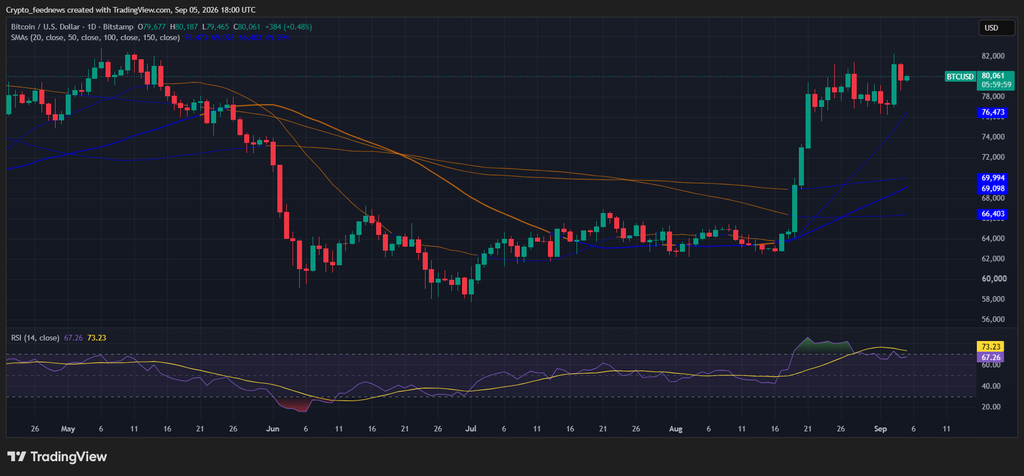


The latest Bitcoin breakout has traders back in full attention mode. BTC surged above $86,000 and briefly touched $87,000, recovering sharply from last week’s low near $75,560.
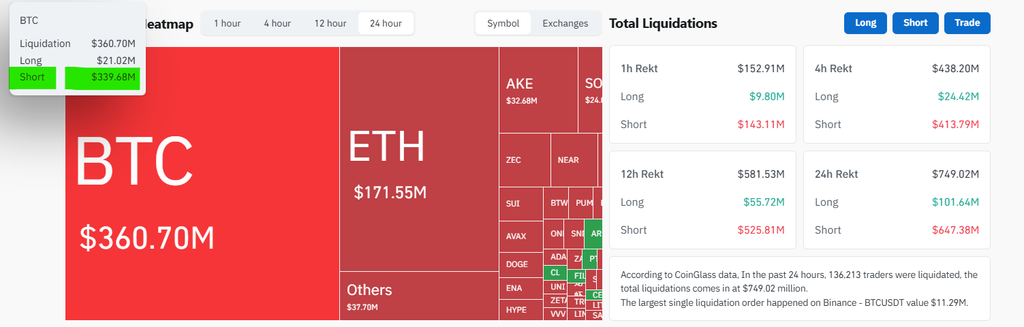
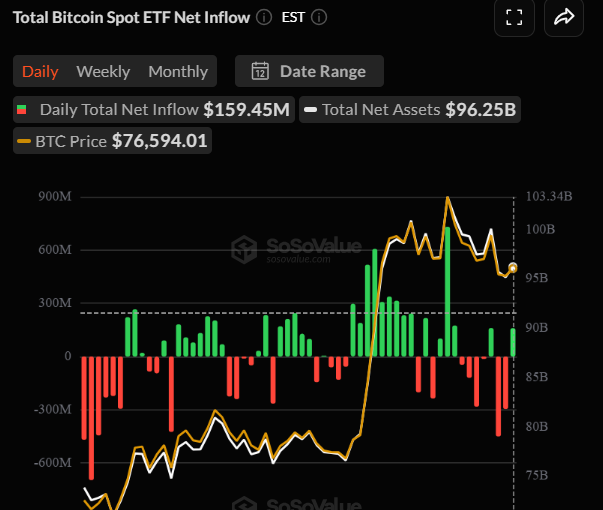
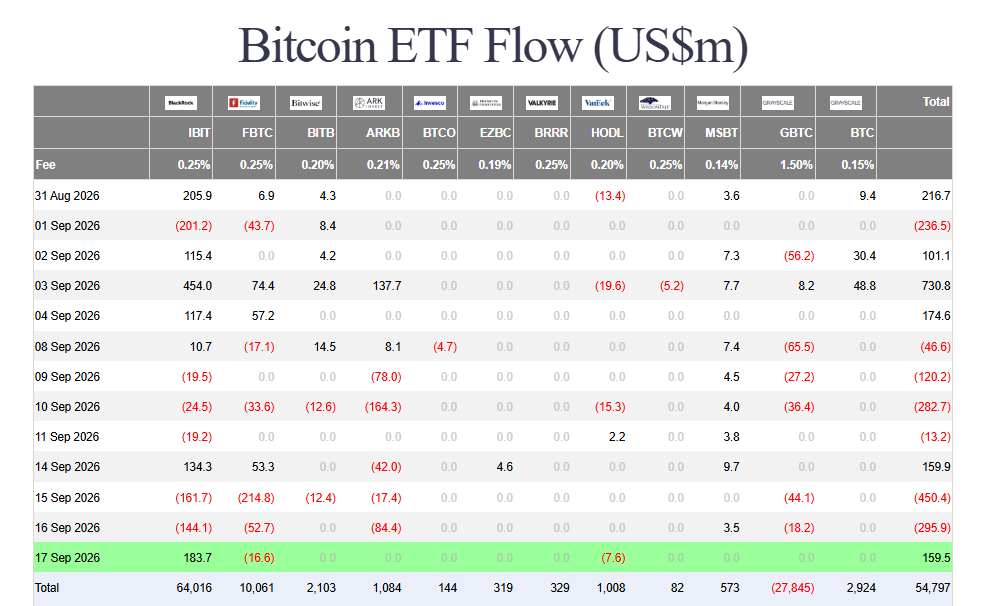
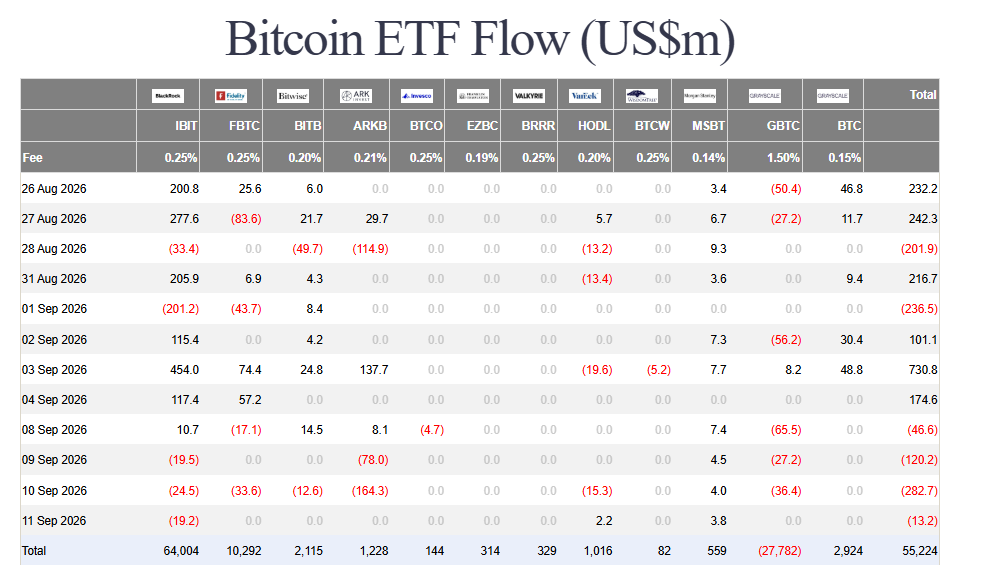
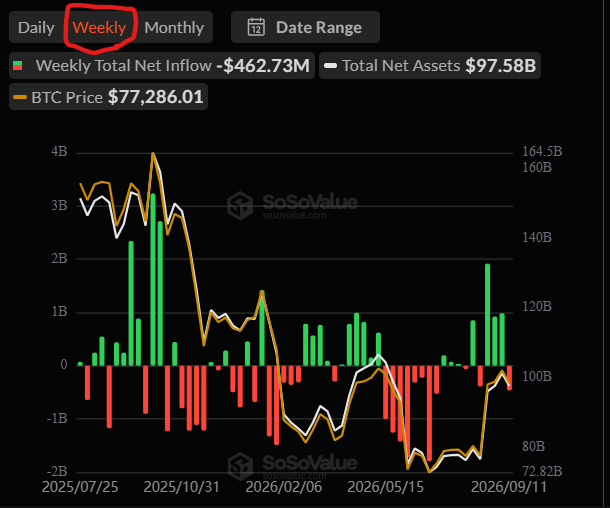
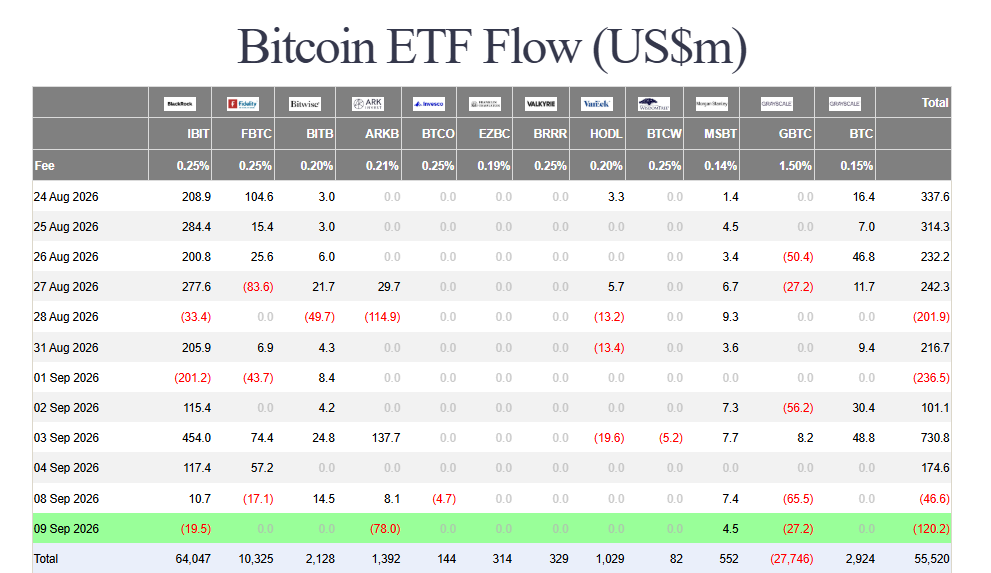
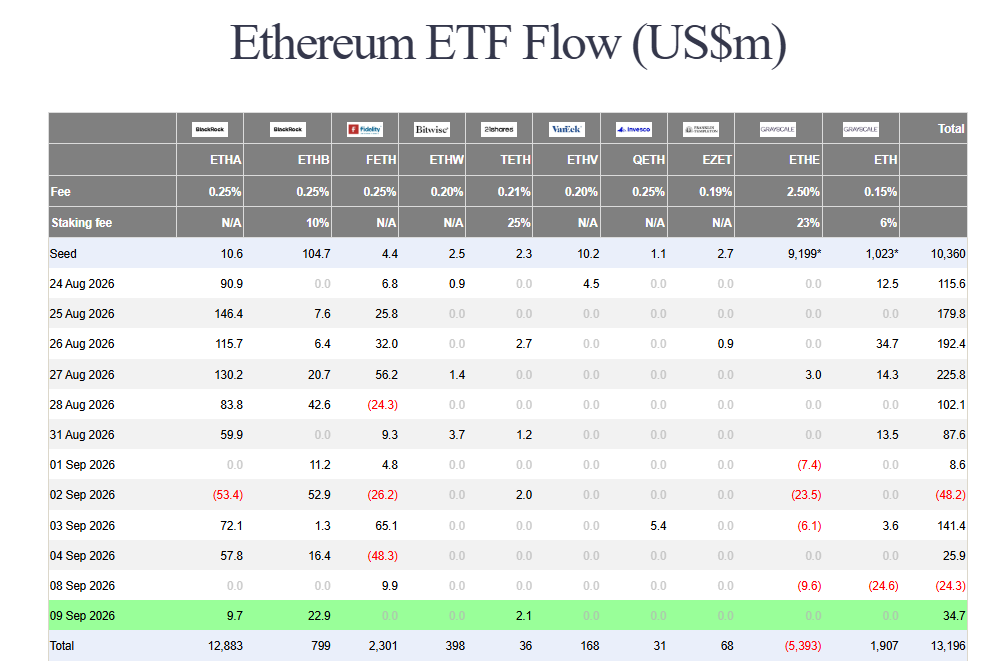
Several forces are powering the move. Oil prices have cooled, Treasury yields have declined, and a wave of short liquidations has added fuel. At the same time, U.S. spot Bitcoin ETFs returned to positive flows.
Importantly, analysts say ETF buying followed the initial price move rather than causing it. HashKey researcher Tim Sun described short-term ETF flows as mostly coincident indicators. In simple terms, institutions appear to have increased buying after Bitcoin had already started moving higher.
Bitcoin Breakout Triggers a Short Squeeze
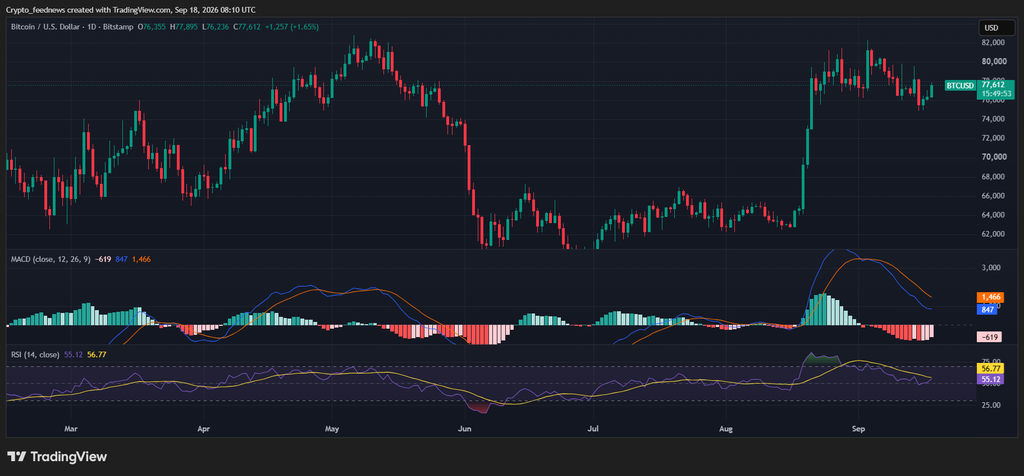
The key technical moment came when BTC cleared the $82,000 resistance zone after several failed attempts.
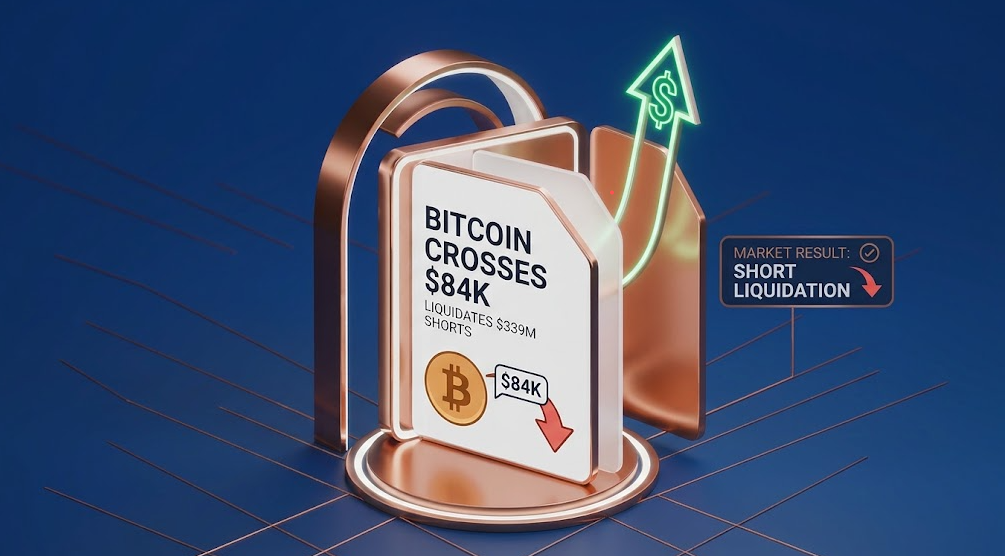
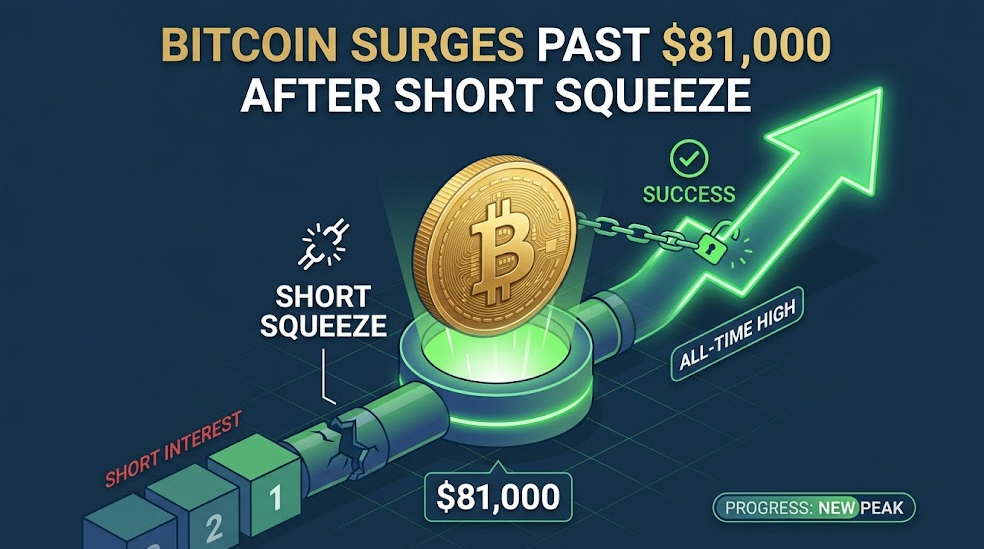
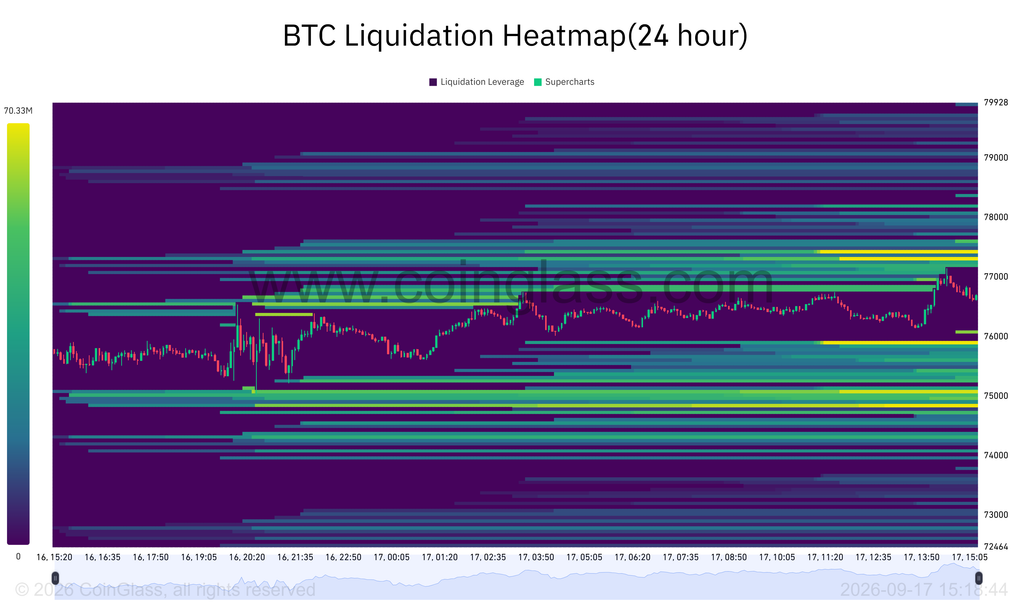
Once that level broke, traders betting on lower prices were forced to close leveraged positions. That process, known as a short squeeze, requires short sellers to buy BTC back, creating additional demand and accelerating the rally.
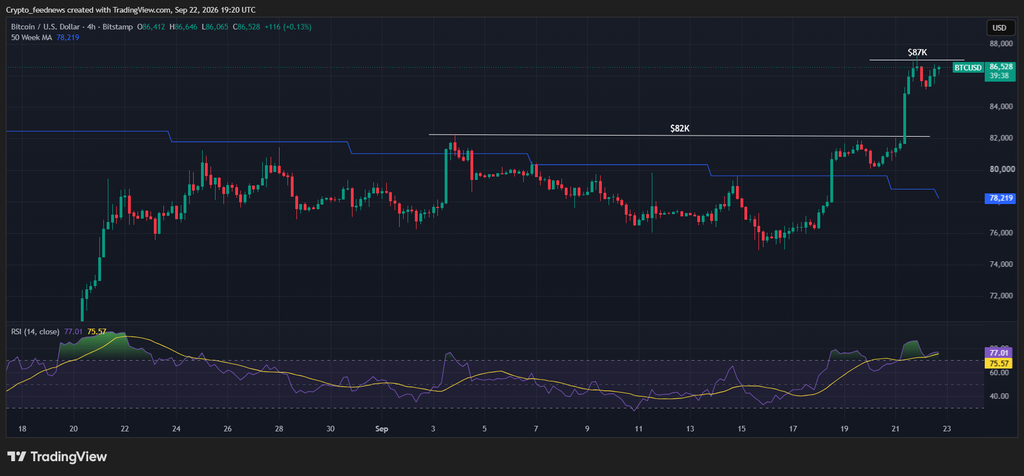
Bitcoin also closed above its 50-week moving average for the first time in 45 weeks, adding another important technical signal to the recovery.
ETF Demand Adds Fuel
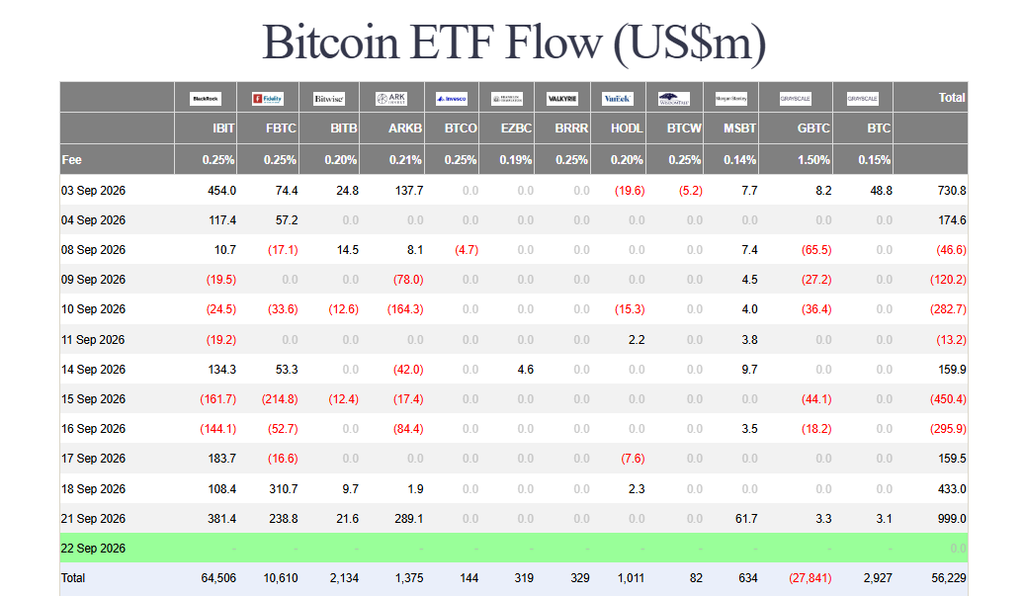
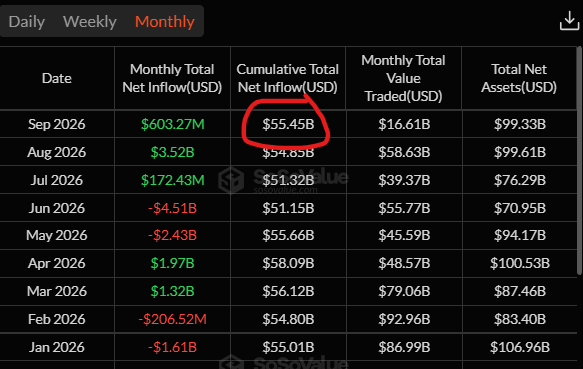
U.S. spot Bitcoin ETFs recorded approximately $999 million in net inflows on Monday which is the highest daily net inflow since the $1.21 billion recorded on October 06th 2025 and we should highlight that the U.S. Bitcoin ETF recorded $433 million in net inflows on Friday.

Macro conditions are also helping. Falling oil prices and Treasury yields have reduced concerns about persistent inflation. Meanwhile, expectations around U.S.-China trade negotiations have supported broader risk appetite.
However, risks remain. Renewed Middle East tensions could push oil higher again, while tighter Fed policy could pressure risk assets.
My Thoughts
The setup has several bullish ingredients: technical breakout, short covering, improving ETF flows, and softer macro pressure. However, traders should watch oil, Treasury yields, and geopolitical headlines closely. Those variables could determine whether BTC extends the breakout or faces another pullback.