
Bitcoin climbs above $87K on Wednesday. Traders reacted to President Donald Trump’s confirmation of a “very good meeting” with Iran.
Falling oil prices and ETF inflows also supported the rally. Derivatives interest added to positive sentiment.
Why Bitcoin climbs above $87K
Trump said U.S. envoys Steve Witkoff and Jared Kushner met with Iranian officials. The three-hour meeting included Foreign Minister Abbas Araghchi. Trump called it “very good” and “very productive.” He also said another round of talks is scheduled soon.
The president noted “a lot of momentum” toward a deal. He framed Iran’s choice as rebuilding or facing severe consequences.
Iranian media reported that Iran re-presented conditions. These included lifting the U.S. naval blockade and unfreezing assets. Ending the war on multiple fronts was also demanded.
As reported yesterday, Iran proposed reopening the Strait of Hormuz within 7 days. This would happen if the U.S. takes initial steps to ease tensions. Iran’s President Masoud Pezeshkian is to attend today’s meeting.
Representatives from the EU and Switzerland also spoke with Araghchi. They discussed ending the war and reopening the Strait of Hormuz.
Bitcoin jumps above $87,000 today
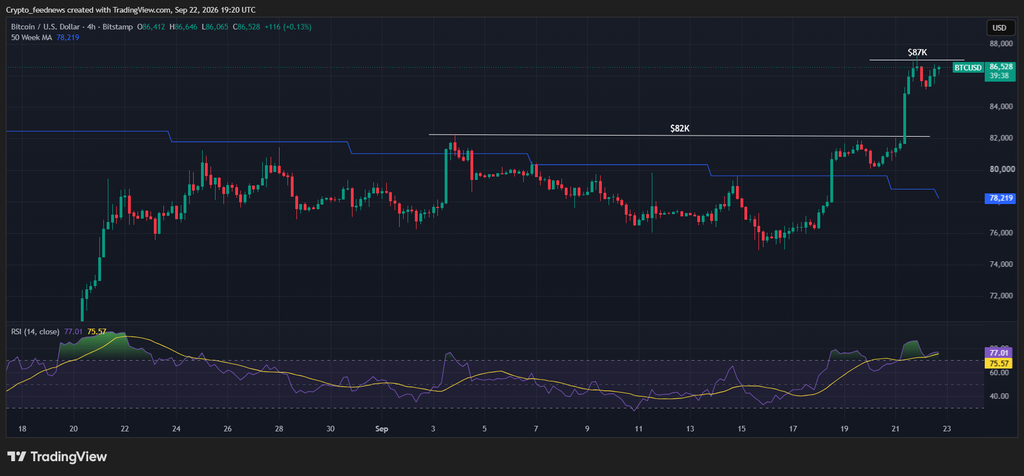
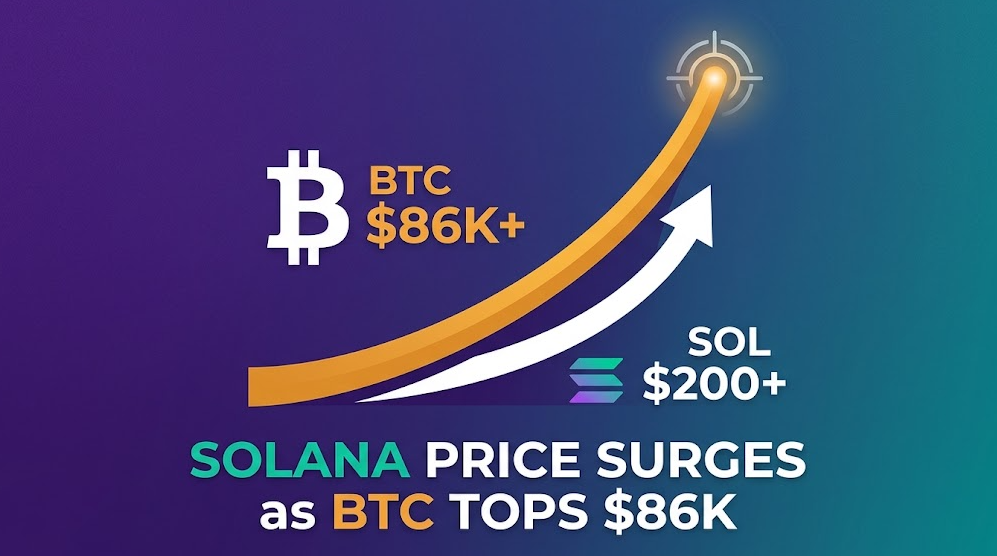
Markets treated the news as a de-escalation signal. Bitcoin rose another 1% to reclaim $87,000. Therefore, the rally extended to almost 8% in a week.

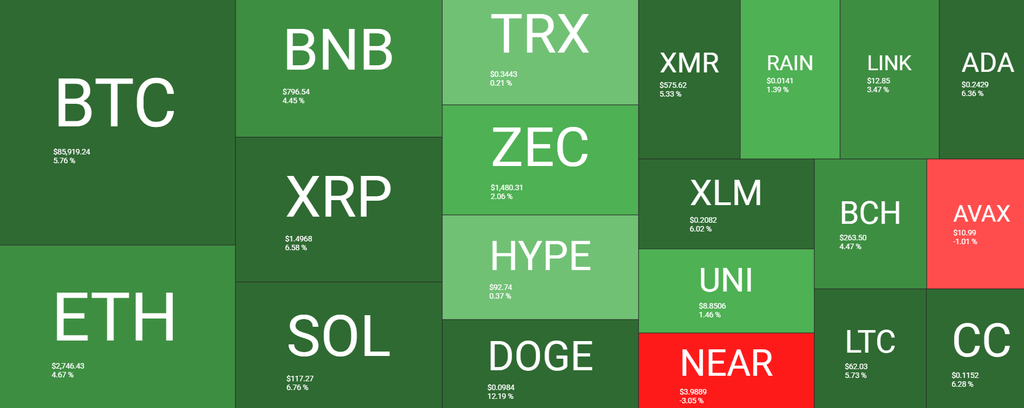
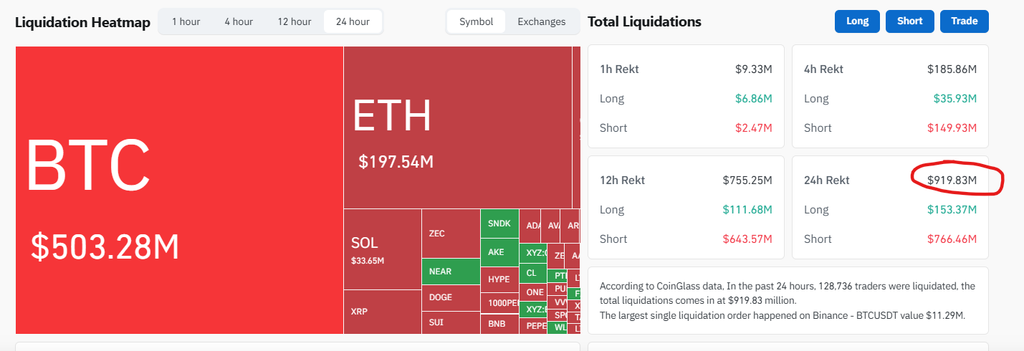
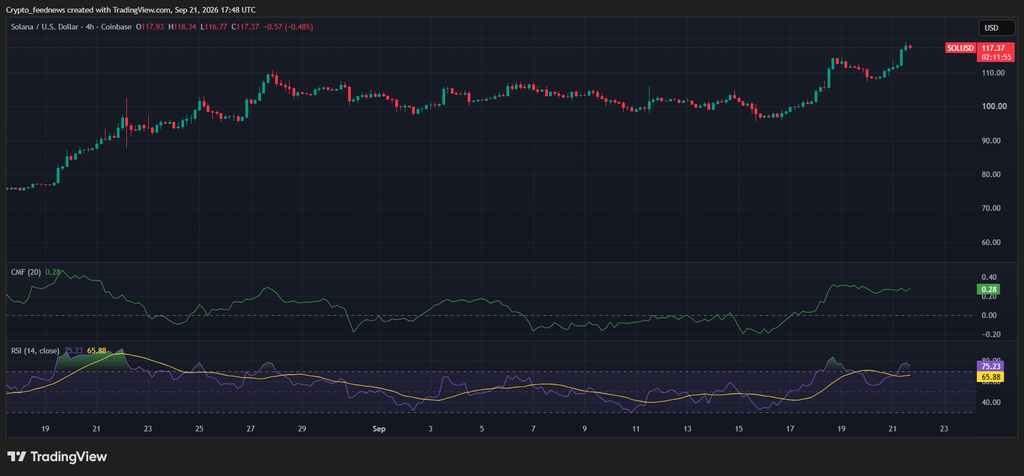
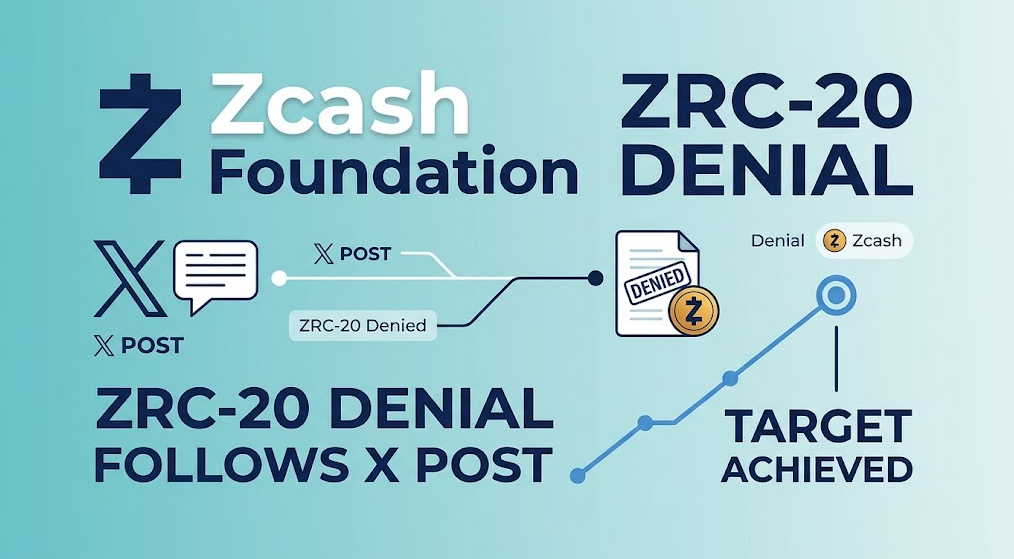
The broader crypto market participated. Ethereum, XRP, Solana, and Zcash all rebounded. Earlier, Trump announced a proposed $5 billion Gulf reconstruction fund. That fund targets energy infrastructure damaged during the war.
Oil prices dropped further to $89 per barrel today. This marked the sixth straight day of declines. Saudi Arabia also plans to restore flows through its East-West pipeline.
Bitcoin trades around $86,148 at press time. Its intraday high reached $87,251. Trading volume dropped 32% nevertheless. Traders await Fed officials’ speeches for inflation cues.
Notably, Trump said a final decision on a broader Iran deal could come after the November midterms. Consequently, markets focus on whether talks produce concrete steps.
Derivatives and market sentiment
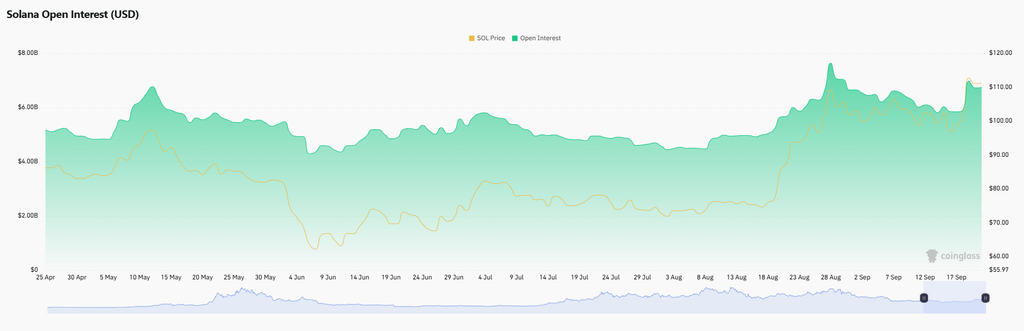
Derivatives markets revealed rising Bitcoin futures open interest. According to Coinglass data, BTC futures OI climbed more than 1% to $61.40 billion. The OI jumped over 5% on CME and 6% on Hyperliquid. However, it dropped almost 2% on Binance.

As political situations shift rapidly, macro traders rely on prediction markets. These platforms let them bet on the final outcomes of international negotiations.